Daddy, Dad, Papa, Pops, Baba, Babbino, Papi – the list goes on and on. There are many ways to say “Father.” Among the influential male figures in my life, one man stands out: my own father. On this Father’s Day, I want to celebrate him. Let’s talk about my dad.
Early Life:
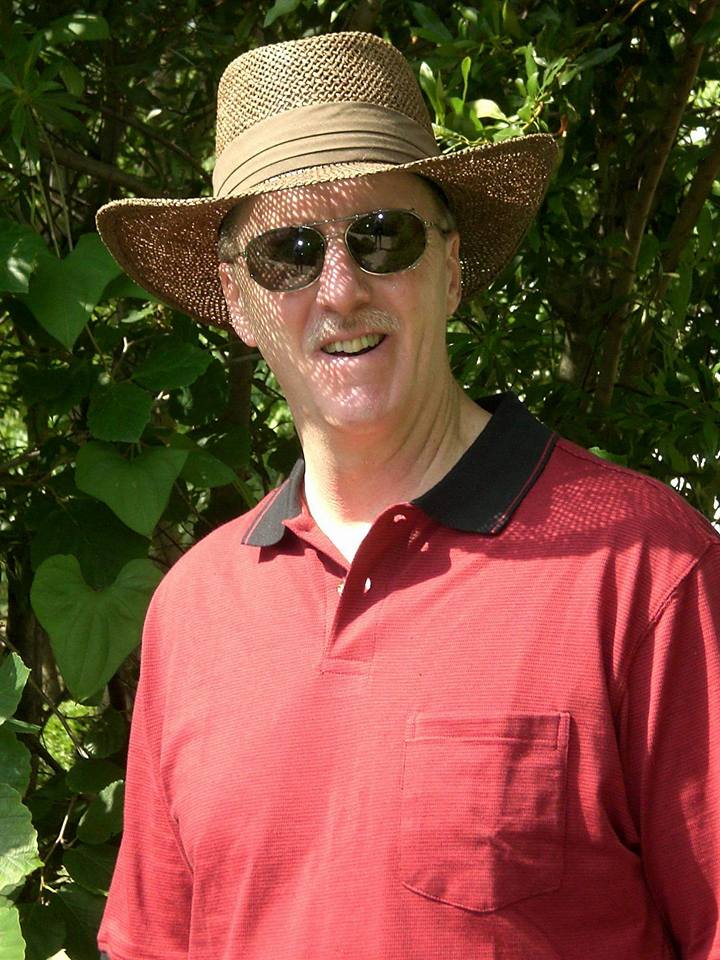
My father, Bruce Wood, was an avid gardener, prolific executive coach, unlikely champion for the underdog, seeker of knowledge, lover of books, and role model for calm and intentional thought. Born in 1954 near Washington, D.C., he was the second of four children in a household where his father was often sarcastic and verbally abusive – a man who had a pension for anger and a lack of emotional intelligence. My dad’s experiences with his own father, detailed in his 1993 memoir, Farther from My Father, Closer to My Dad, showed him exactly what he didn’t want to be as a parent.
Overcoming Adversity:
For someone to display as much love as Dad did, coming from such a challenging background is truly remarkable. Love is the best language we have, and children should experience it unconditionally. My father felt his father’s love was conditional, growing up with an air of fierce competition which his older brother never really discarded. Despite this, my dad grew to be a kind and loving man, breaking generational curses for himself, my sister, and me.
Fond Memories:
I have fond memories of my dad finding us in the evening after he had come home from work, peeking his head into our rooms to say “Have I told you ‘I love you’ today?” to which we would say “yes!” because he always did. Growing up with my dad was an adventure. With undiagnosed ADHD until 1994, he spent much of his life questioning his behaviors, believing that he was unusual. His journey with ADHD and his struggle with emotional regulation taught him – and us – important lessons about self-awareness and control.
Emotional Growth:
Over the years, my father became much more in touch with his feelings, showing us that men could be emotional and vulnerable. This was a stark contrast to his own father’s example, and it provided a powerful lesson for me and my sister. Through supportive male figures in his church youth group, my father found way to experiment with and navigate through these types of emotions. These men created a safe space for him to be himself. They created a way forward for him through the trauma of his own father.
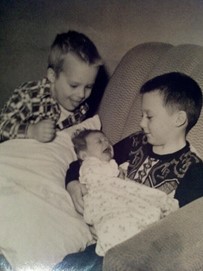
– Photo Credit Barbetta Jones
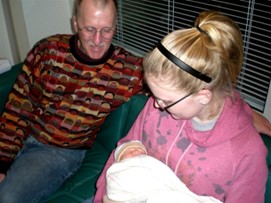
– Photo Credit Ross Wither
Coping with Loss:
It’s not fair that support can be so easily ripped from the world. It’s not fair how much I miss my dad. When he died unexpectedly in his sleep in 2013, it left a huge void in the world. Processing his loss has been incredibly difficult. My dad was the thermostat in my life, regulating emotional temperature. He knew how to dial the temperature of the environment to provide just the right amount of comfort. And it seemed he knew how to do this effortlessly and consistently – perhaps it was his trauma. When he died, it felt like the temperature was all over the place. It was cold, and then hot, and then lukewarm, and then cold again. Leaving all of us a bit lost and left with seemingly no way to regulate the temperature.
Legacy and Continuation:
I have a memorial tattoo for my dad with the phrase, “The best parts of me, live on in you.”
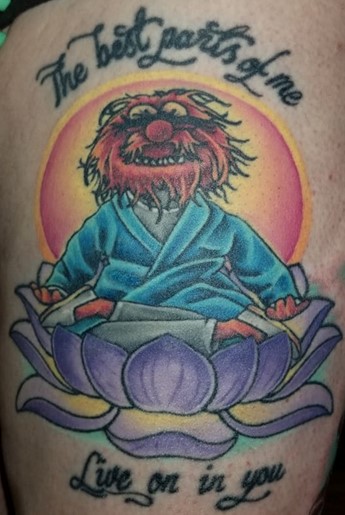
Shortly after he died, I had a dream where he and my sister came to my house for a visit. When they arrived, I told my dad that I missed him. He asked me, “Why?” and I, very frankly, told him “Uh… because you’re dead.” And then he asked again, “Why?” followed shortly with “the best parts of me, live on in you.” He looked at both me and my sister, implying we carried the gifts he had given us. We all hugged and then I woke up. I love getting visits from my dad. They’re less frequent now but I firmly believe that death kills a person, not a relationship. This thought is so beautifully laid out in Aaron Freeman’s advice for planning your funeral. “You want a physicist to speak at your funeral. You want the physicist to talk to your grieving family about the conservation of energy, so they will understand that your energy has not died.” My father’s energy is not dead. He comes to me if I am open and receptive to it. My relationship with my dad comes through in my coaching sessions. Sometimes, I become acutely aware of a phrase or practice that my dad used during my upbringing and it bubbles up to my head when coaching someone through. Some of my favorites are “When’s the best time to plant a tree?” and “Feedback is a gift.”
What is an appropriate way to honor the person who gave you half of who you are? Live and love authentically. Be still and know. Enjoy life as my dad did. His legacy of love, resilience, and intentionality continues through me and those he touched.
About the Author:
Megann Wither is a second-generation coach. She is trauma-informed, and carries certifications in various assessment methodologies. With a deep understanding of psychological resilience and leadership dynamics, she helps individuals and organizations navigate complex challenges and optimize their potential. Drawing on her rich heritage of coaching excellence, Megann’s approach is empathetic, strategic, and tailored to meet the unique needs of each client, ensuring sustainable growth and development. Passionate about fostering positive change, Megann is dedicated to empowering her clients to achieve their personal and professional goals while maintaining a balanced and mindful perspective. When she’s not coaching, Megann enjoys speaking at industry conferences, writing on topics related to coaching and leadership development, and contributing to her blog, where she shares valuable insights and practical advice for those seeking to enhance their leadership skills and overall well-being.
 MegannWither.com
Leave a comment